High level discussion on power management distribution and control technologies for server rack enclosures in your data centers.





Solutions for the Next Generation Data Center
High level discussion on power management distribution and control technologies for server rack enclosures in your data centers.
When data centers and power are mentioned together, the discussion involves enormous numbers: 70 billion kilowatt-hours consumed in 2016, though that number is starting to level out. Today, the message is everywhere, championed by manufacturers and users alike. Organizations are realizing that not only is power mission-critical to data center operation; it’s also a significant
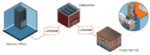
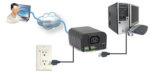
Remote power management solutions allow administrators to remotely power cycle servers and devices. Organizations use remote power management solutions to manage servers at offices where there are no IT personnel, offering cost-efficient lights-out operation at those sites.
Remote reboot power management can be an excellent stand-alone solution or when combined with a KVM management system. Completing a true ‘lights out’ operations center can happen quickly and easily by introducing a simple remote reboot power management solution. Remote KVM over IP access simply permits users to warm reboot computers. In order to cycle power to
Minimize data center downtime with the latest innovations in remote power over IP strips and remote power management.
Remote power management products, or intelligent power solutions, reduce server downtime, outages, and losses, and shorten the Mean Time to Repair (MTTR).
Whether you’re operating a hundred ticket kiosks in an airport or a few servers at your small business, downtime costs money. It can result in lost advertising, frustrated customers, lost transactions, missed opportunities, and idle personnel. 1. Reboot Remote reboot of any device, routers, servers, kiosks, etc. The device to be rebooted need not be
Information Technology (IT) has an ever-increasing demand for data, space, monitoring, and power consumption. A great deal of current data center power consumption is dedicated to cooling the components so they can keep working at maximum capacity. That consumption will only continue to rise in the coming years. 1 One of the best ways to assist
A recent blog post by Ian Seaton of Upsite Technologies tackled this very question. And… If you are following the ASHRAE recommendations, you might be missing the mark. From poor aisle design to equipment that “breathes” in reverse, breakdowns in airflow management can lead to temperature readings that are either too high or too low,